
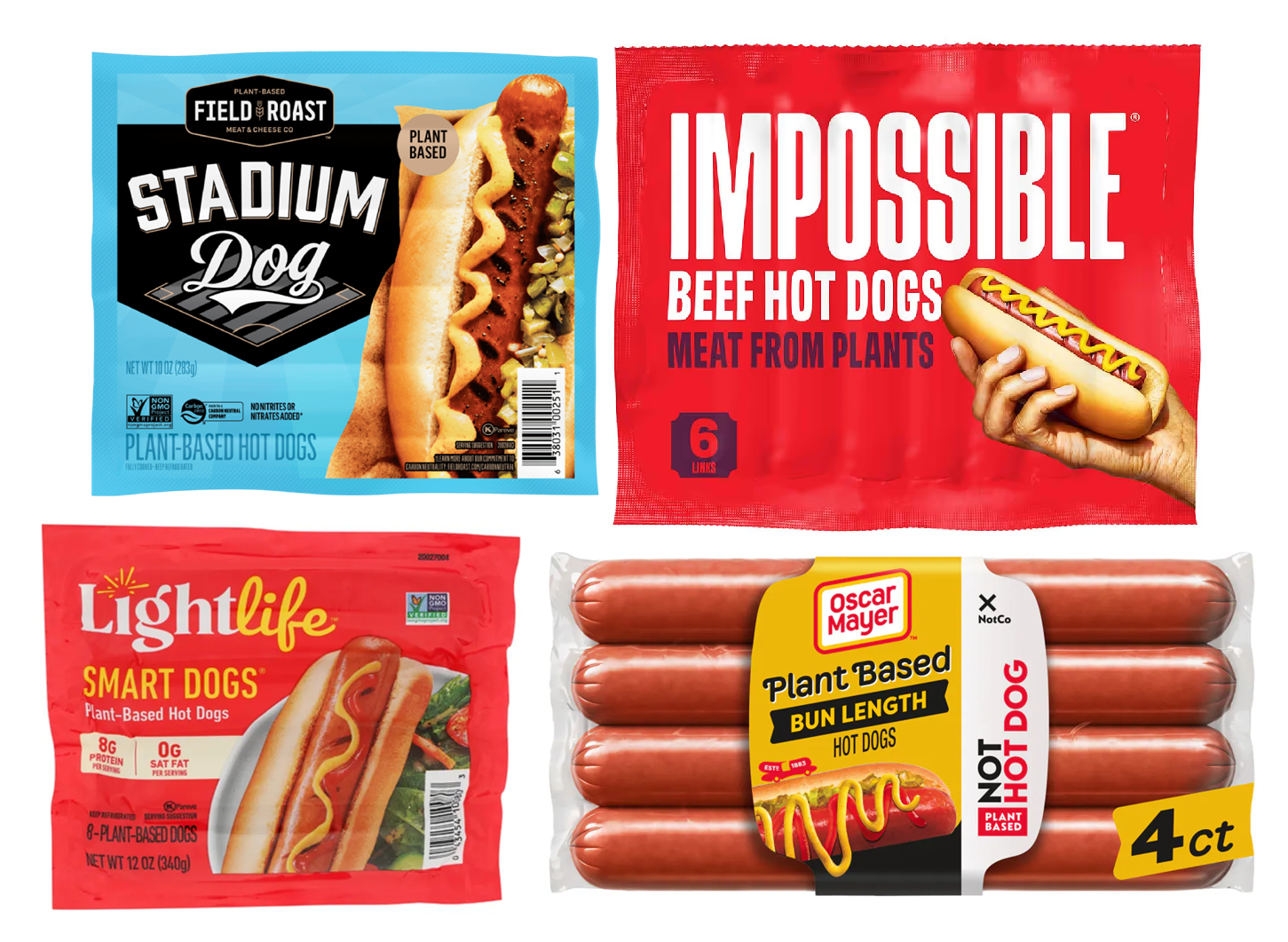
The global market for plant-based hot dogs is expected to more than double over the next decade, driven by rising interest in vegan diets, health-focused eating habits and environmental concerns surrounding traditional meat production, according to a new report.
According to the report from Market Research Future, the plant-based hot dogs market was valued at $1.05 billion in 2024 and is projected to reach $2.65 billion by 2035. That represents a compound annual growth rate of 8.73% during the forecast period.
Researchers attribute the anticipated growth to a steady shift in consumer preferences away from conventional meat products and toward plant-based alternatives. Increased awareness of animal welfare issues and the environmental footprint of livestock production are also playing a role. At the same time, product innovation—including new protein sources, improved flavor profiles and ready-to-eat options—continues to expand the appeal of plant-based hot dogs across a broader consumer base.
The market includes a range of formulations, such as soy-based, pea protein-based and wheat-based varieties, along with other emerging plant protein blends. Products are distributed through supermarkets and hypermarkets, specialty retailers, convenience stores and online platforms, with e-commerce channels contributing to wider accessibility.
Major companies operating in the space include Beyond Meat, Impossible Foods, MorningStar Farms, Field Roast, Lightlife, Tofurky, Daring Foods, Quorn and Amy’s Kitchen. Many of these brands are focused on expanding distribution, refining product texture and taste, and emphasizing sustainability initiatives to differentiate themselves in a competitive marketplace.
By application, plant-based hot dogs serve retail consumers as well as food service and institutional buyers. Growth in restaurant partnerships and expanded menu offerings has helped normalize plant-based options, while social media marketing and influencer campaigns have further increased consumer awareness.
Regionally, North America remains a leading market due to strong retail penetration and widespread adoption of plant-based diets. Europe also demonstrates significant demand, supported by health-conscious consumers and policy environments favorable to meat alternatives. Meanwhile, the Asia-Pacific region is viewed as an emerging opportunity, with urbanization and rising disposable incomes contributing to growing interest in plant-based products.
Looking ahead, the report suggests that continued innovation in ingredients, clean-label formulations and sustainable packaging could help sustain momentum through 2035. As consumer preferences evolve and distribution channels expand, both established brands and new entrants are positioned to compete for share in a market that is increasingly moving toward plant-based alternatives.