
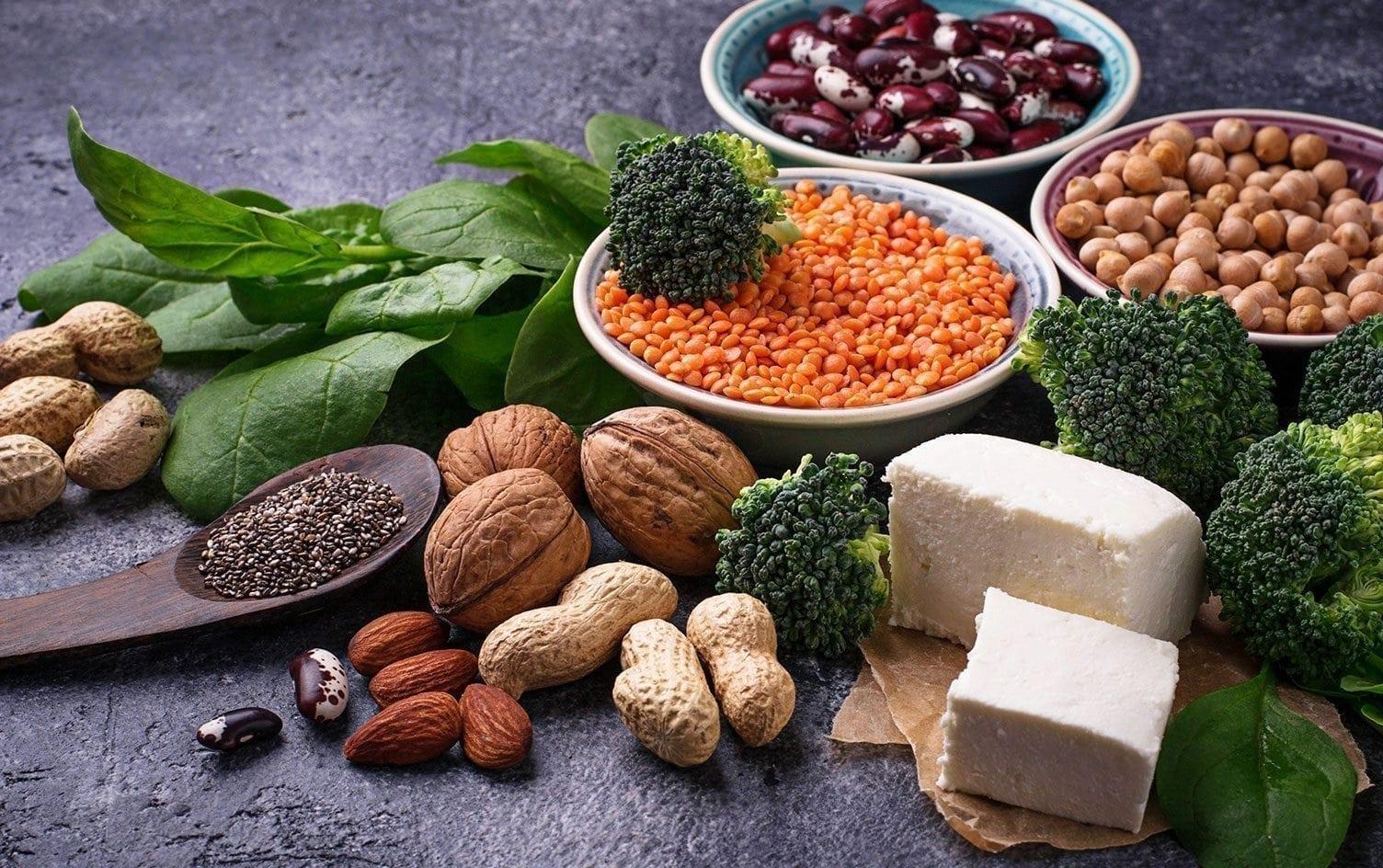
A study published in the peer-reviewed journal Frontiers in Nutrition finds that adherence to a healthful plant-based diet is associated with a reduced risk of developing breast cancer and significantly lower mortality among those already diagnosed with the disease.
The research was conducted by scientists from The Second Affiliated Hospital of Soochow University and the School of Public Health at City University of Hong Kong. Investigators analyzed data from 67,045 cancer-free participants and 3,397 breast cancer patients enrolled in the UK Biobank, along with additional data from the Chinese Longitudinal Healthy Longevity Survey.
Among participants without cancer at baseline, those in the highest tertile of the Healthful Plant-Based Diet Index (HPDI) had an 11% lower risk of developing breast cancer compared to those in the lowest tertile. Each standard deviation increase in HPDI score was associated with a 4% reduction in risk.
The findings were even more pronounced among women already diagnosed with breast cancer. Patients in the highest HPDI tertile experienced a 28% lower risk of all-cause mortality compared to those in the lowest tertile. Each standard deviation increase in HPDI score corresponded to an 11% reduction in mortality risk.
Results from the Chinese cohort showed similar trends. Individuals with high overall Plant-Based Diet Index (PDI) scores had a 39% lower cancer risk compared to those with low scores.
Beyond overall dietary patterns, specific micronutrients were linked to outcomes. Higher intake of vitamins B2 and C, calcium, and magnesium was associated with lower breast cancer risk and mortality. In contrast, sodium intake was tied to worse outcomes, with each standard deviation increase in sodium associated with a 15% increase in mortality risk.
Researchers also evaluated predictive models and found that micronutrient intake alone was the strongest predictor of breast cancer risk across multiple timeframes. The HPDI score performed best for predicting five-year mortality, while a combined dietary and micronutrient model offered the strongest 10-year prognostic accuracy.
The authors conclude that adherence to a healthful plant-based dietary pattern, combined with adequate intake of key micronutrients and lower sodium consumption, may play a role in both breast cancer prevention and improving survival outcomes.