U.K. Prime Minister Appoints Vegan Meera Vadher as Head of Environmental Policy

For the first time in U.K. history a vegan will serve as head of environmental policy for the prime minister.

Meera Vadher.

Prime Minister Rishi Sunak has hired Meera Vadher as his head of environmental policy. Vadher’s social media bio notes that she’s vegan with a “strong desire to smash the jargon and simplify politics and current affairs.”

Vadher is expected to officially take over the role in the new year. She first entered national politics in 2011 as a parliamentary assistant to the then MP Edward Garnier, who now sits in the House of Lords. After spending time working for West Midlands mayor Andy Street, she was given a job at the Department for Health and Social Care working on the NHS’s Covid test-and-trace system.
Continue reading
Report: Dairy Alternative Market Worth $22 Billion, to Grow to $42 Billion by 2027

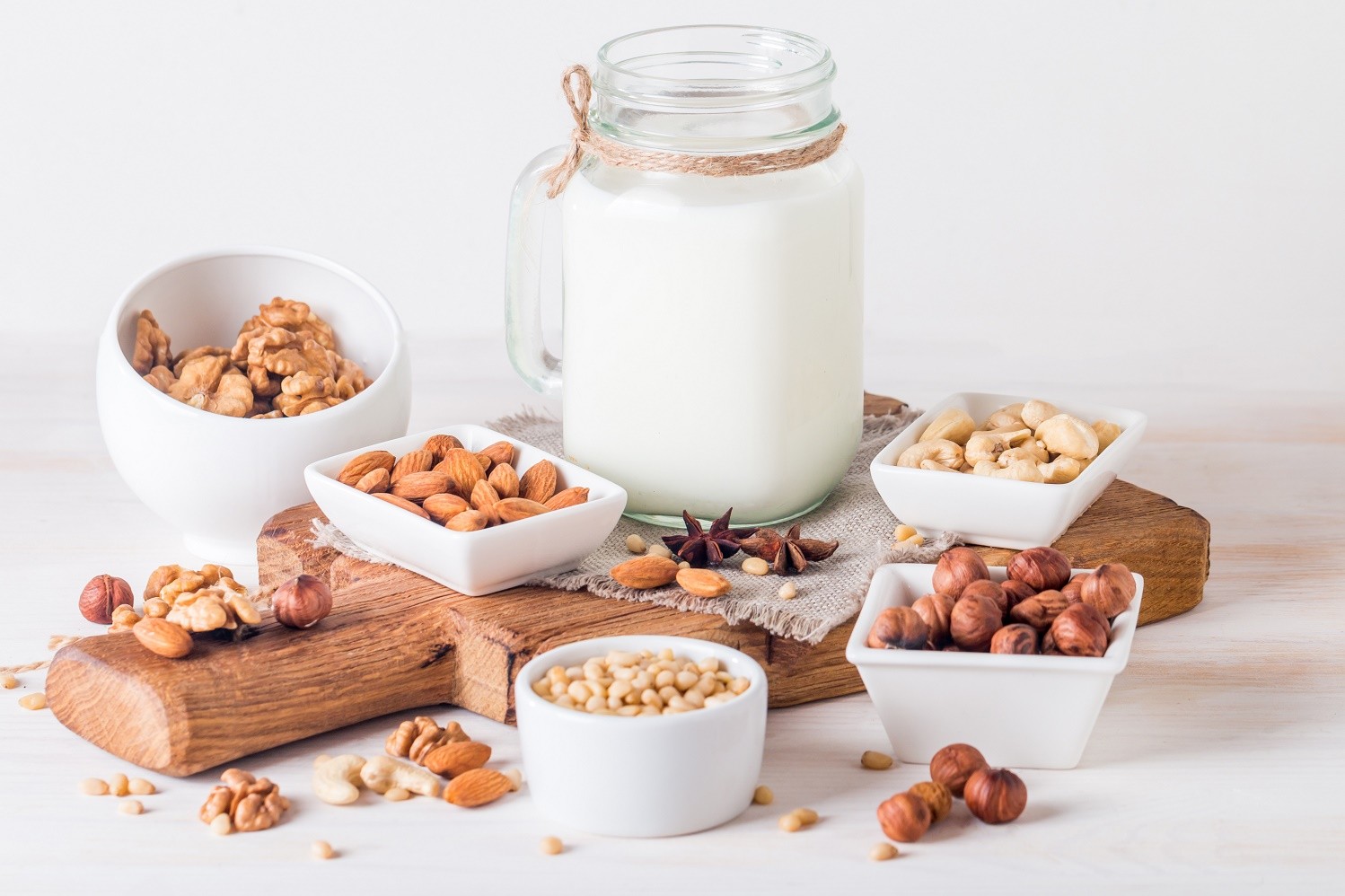
According to the newest Global Dairy Alternative Market report, the market is expected to reach a value of $42.26 Billion by 2027, from $22.01 Billion in 2021.

This represents a compound annual growth rate of 11.49%.

“Most people worldwide are transitioning from dairy to dairy-free goods as they become more aware that dairy-free diets can help with various issues such as digestive pain, failure to lose weight, acne, and irritable bowel syndrome”, states the report. “Dairy substitutes have been more prevalent in both developed and developing markets worldwide. This is due to an increase in the number of allergic persons to dairy.”

Furthermore, “rising health consciousness and disposable income have boosted the expansion of the dairy substitutes industry.”
Continue reading

Top 15 Meat and Dairy Companies Produce Almost as Much Methane as Entire European Union

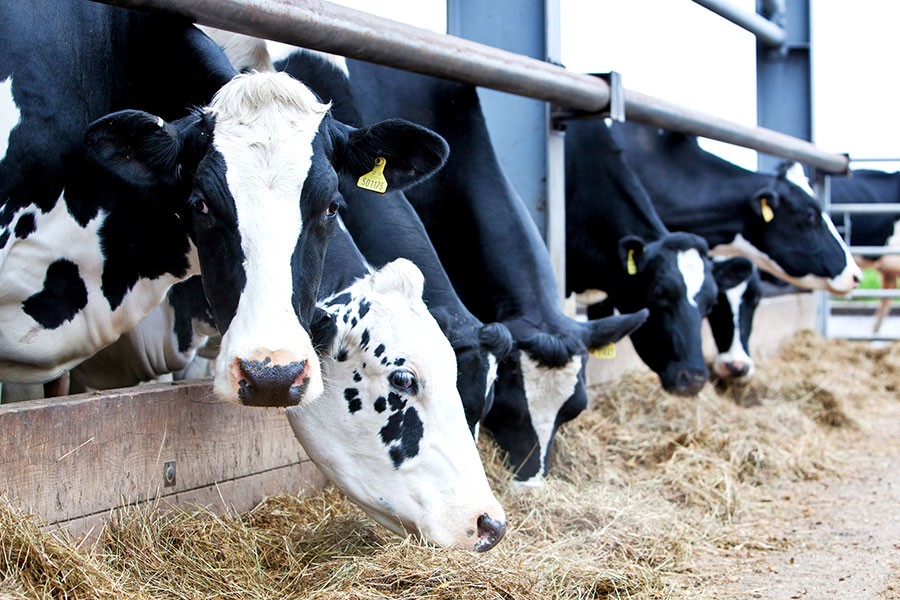
According to a new report by the Institute for Agriculture & Trade Policy, the top five meat companies and the top 10 dairy companies produce 80% of the methane of the entire European Union (which has a population of over 445 million).

The report for the first time estimates the methane emissions of five of the largest meat corporations and ten of the largest dairy corporations. Their combined methane emissions are roughly 12.8 million tons, “which equates to over 80% of the European Union’s entire methane footprint.”

These companies’ emissions represent around 3.4% of all global anthropogenic methane emissions and 11.1% of the world’s livestock-related methane, states the report, which also provides the latest estimates for the overall greenhouse gas (GHG) emissions of the same companies, which amount to around 734 million tonnes of CO2 equivalent – higher than the emissions of Germany.
Continue reading

Report: Vegan Food Market Worth $14 Billion, to Grow to $18.7 Billion by 2026

According to a new report titled the Vegan Food Global Market Report 2022, the vegan food market is expected to grow from $13.55 billion in 2021 to $14.45 billion by the end of 2022.

The report estimates that this will grow even further to $18.73 billion by 2026, at a compound annual growth rate (CAGR) of 6.7%.

“The vegan market consists of the sale of vegan products and related services for consumption purposes”, states the report. “Vegan products include food and beverages produced without the use of animal ingredients or animal-derived ingredients. Vegan food products include fruits and vegetables, legumes such as peas, beans, plant protein-based tofu and plant protein-based meat.”
Continue reading

Study: Plant-Predominant Diet Associated With Lower Type 2 Diabetes Risk in Postmenopausal Women

Greater adherence to a plant-based diet was associated with a lower risk of type 2 diabetes in postmenopausal women in a recent study published in the journal Diabetes Care.

A plant-based dietary pattern, “the Portfolio Diet”, has been shown to lower LDL cholesterol and other cardiovascular disease risk factors, according to the abstract of the study. “However, no study has evaluated the association of this diet with incident type 2 diabetes.”

With this in mind, researchers at the Harvard T.H. Chan School of Public Health, Guangdong Provincial People’s Hospital and the Hong Kong Polytechnic University analyzed 145,299 postmenopausal women free of diabetes at baseline in the Women’s Health Initiative (WHI) Clinical Trials and Observational Study from 1993 to 2021.
Continue reading

Study: Plant-Based Diet Reduces Metabolic Acidosis

According to a new study published by the Journal of Nutritional Science, “dietary shifts toward plant-based nutrition effectively reduces dietary-induced, low-grade metabolic acidosis.”

“Contemporary diets in Western countries are largely acid-inducing and deficient in potassium alkali salts, resulting in low-grade metabolic acidosis”, states the study. “The chronic consumption of acidogenic diets abundant in animal-based foods (meats, dairy, cheese and eggs) poses a substantial challenge to the human body’s buffering capacities and chronic retention of acid wherein the progressive loss of bicarbonate stores can cause cellular and tissue damage.”

In this narrative review, researchers “examine DAL quantification methods and index observational and clinical evidence on the role of plant-based diets, chiefly vegetarian and vegan, in reducing DAL.”
Continue reading

University of Sterling Votes to Make College Menus 100% Vegan

A majority of students at the University of Stirling in Scotland, United Kingdom, have voted to make their campus menus 100% vegan by 2025.

The University of Sterling.

The move, which will make the college the first major university to make the move to all-vegan menus, is designed to support a more sustainable and environmentally friendly food system.

The move was introduced by the Plant-Based Universities campaign to the University of Stirling’s Students’ Union. The motion notes that the largest portion of carbon emissions comes from animal agriculture. For example, producing one kilogram (2.2 pounds) of beef resulted in 70 kilograms (154 pounds) of emissions.
Continue reading

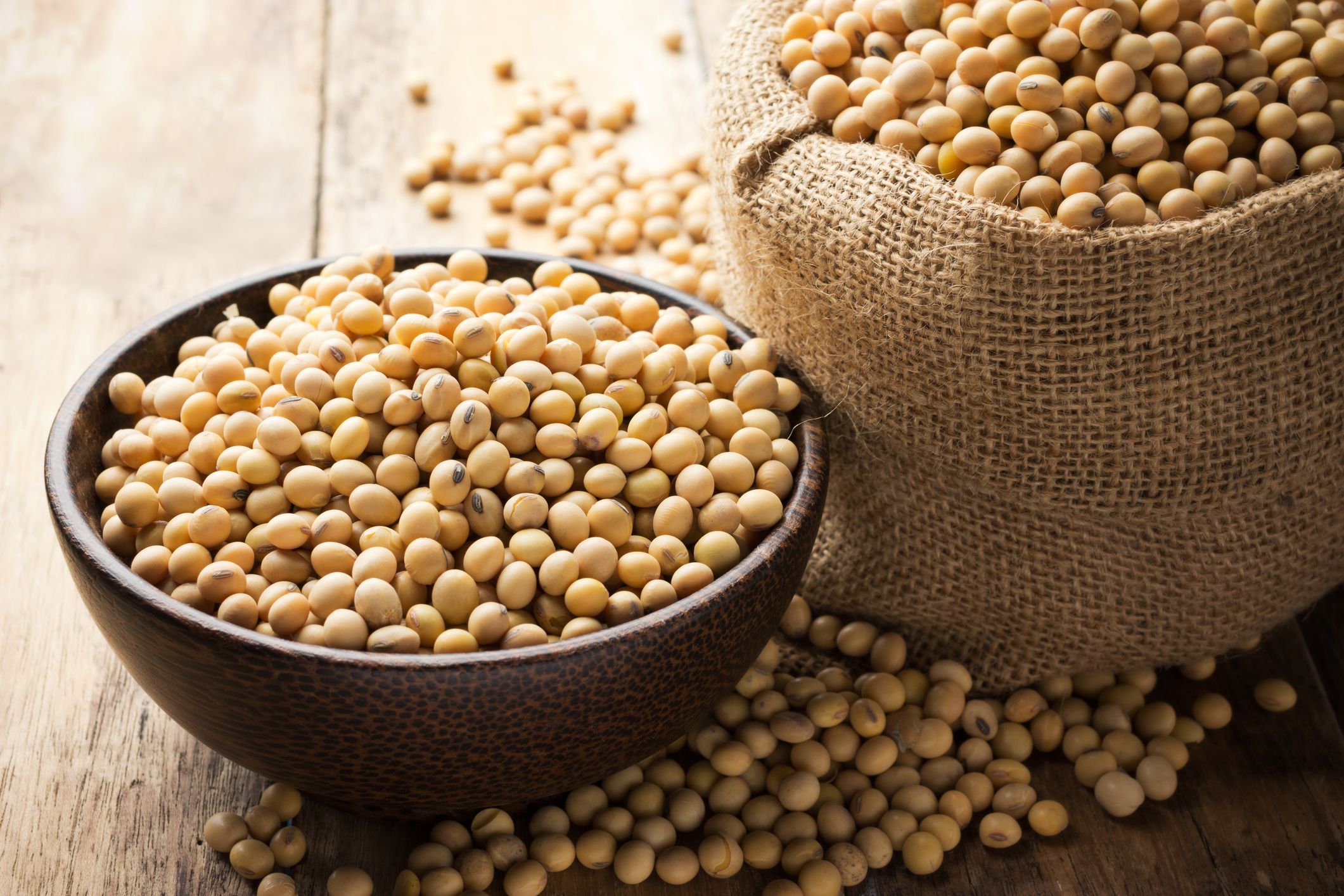
Report: Soy Protein Market is Projected to Reach $14.1 Billion by 2029

According to a new market research report the soy protein market is projected to reach $14.1 billion by 2029 at a compound annual growth rate (CAGR) of 9.9% from 2022 to 2029

In terms of volume, the market is projected to reach 7,698.9 thousand tons by 2029, at a CAGR of 7.3% from 2022 to 2029.

“The rising health concerns and increasing obesity levels in human society have led consumers to cut back on animal protein consumption and switch to plant-based proteins as an alternative”, states the report. “Soy protein is a versatile protein supplement and contains well-balanced amino acids, making it comparable to animal protein. It also contains health-promoting compounds like isoflavones.”
Continue reading

Load more